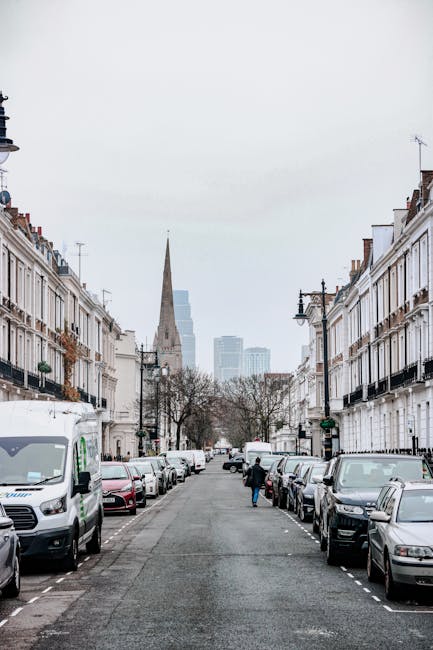
Finchley Road parking tips for removals near O2 Centre
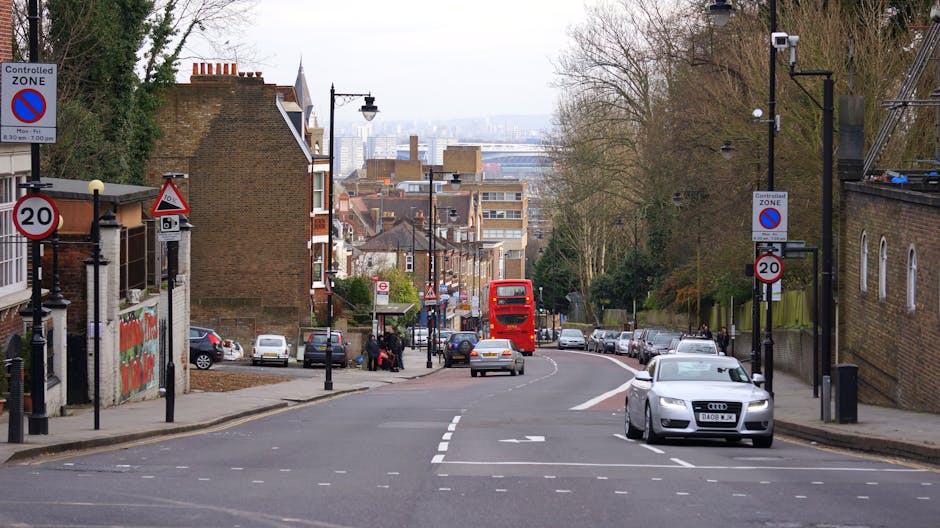
If you are planning a move around Finchley Road and the O2 Centre, parking is rarely a small detail. It can decide whether the day feels calm and organised, or turns into a slow, awkward shuffle with trolleys, boxes, and a van circling the block. These Finchley Road parking tips for removals near O2 Centre are designed to help you avoid that messy middle ground.
In this guide, you will find practical advice on loading positions, timing, vehicle size, local traffic pressures, and the sort of planning that saves real minutes on moving day. We will also cover the common mistakes people make near busy London destinations, when a man with van setup makes sense, and how to prepare if your move involves a flat, office, or a larger truck. To be fair, the whole area can get busy quickly, so the more you plan in advance, the better the day usually goes.
Why Finchley Road parking tips for removals near O2 Centre Matters
Moving near a busy retail and transport corridor is a very different job from moving on a quiet residential road. Finchley Road brings a mix of shoppers, buses, taxis, deliveries, and people heading to and from the O2 Centre, which means the kerbside space you hoped would be available can disappear fast. If your van has nowhere sensible to stop, the move slows down immediately.
That matters for more than convenience. A poor parking plan can mean longer carrying distances, extra strain on movers, more chance of damage, and a greater risk of blocking traffic. When you are lifting wardrobes, white goods, or even just a stack of heavy boxes, every extra metre counts. Anyone who has hauled a sofa through a tight entrance while dodging passing traffic knows the feeling. Not fun.
There is also the timing issue. A short delay at the start of the day can ripple through the rest of the move. If your parking position is not workable, the team may have to unload in stages, wait for a space, or re-position the van. That is especially frustrating if you have booked same-day removals or you only have a small window to move out.
Good parking planning is really a form of risk control. It protects your schedule, your belongings, and your sanity. And, frankly, that is half the battle on moving day.
How Finchley Road parking tips for removals near O2 Centre Works
The practical side of parking for removals in this part of London comes down to three things: where the vehicle can stop, how long it can stay there, and how safely the items can be moved between the property and the van. It sounds simple, but in busy areas the details matter a lot.
First, think about the street layout. Finchley Road is a major route, so the road itself may not be the best place for a removal vehicle to wait. Instead, the best option is usually to identify a loading-friendly spot close to the property, with enough room for the van doors to open and for movers to work without constantly stepping into the traffic flow.
Second, think about access. If the property is above ground level, set back from the road, or tucked behind another building, then the parking position should reduce the carrying distance as much as possible. That can make a huge difference with flat removals, especially where stairwells are narrow and there is no lift. For larger jobs, a full-size moving truck may need more careful positioning than a smaller van.
Third, think about coordination. Parking is easier when everyone knows the plan before the vehicle arrives. If the property owner, building manager, and removal team all understand the loading point, entrance route, and timing, the move tends to feel much smoother. One small misunderstanding can waste twenty minutes. More than twenty, sometimes. It happens.
In many cases, the best approach is to choose the vehicle size and moving method around the parking conditions, not the other way round. That is where a smaller removal van or flexible man with van service can be useful for tighter streets and shorter loading zones.
Key Benefits and Practical Advantages
Getting the parking right gives you more than a tidy start. It improves almost every part of the move.
- Faster loading and unloading: Less walking back and forth means less delay and less physical strain.
- Lower damage risk: Shorter carrying distances reduce the chance of bumping furniture, walls, or door frames.
- Better traffic flow: A sensible stop point helps your move stay efficient without creating unnecessary disruption.
- Less stress: When parking is sorted, the whole day feels more manageable.
- More accurate scheduling: Movers can work to the plan instead of improvising around a bad kerbside setup.
There is also a quality-of-life benefit that people often overlook. A move can already feel noisy and chaotic. Boxes thud, doors bang, someone is always looking for tape, and the kettle is somehow packed in the last box. If parking is straightforward, the rest of the day becomes much easier to handle mentally.
For business moves, parking discipline matters even more. Office teams often have computer equipment, desk units, and sensitive files that need efficient loading. In that context, poor parking can become a productivity issue, not just a logistics issue. If you are arranging a company relocation, it is worth considering office removals or broader commercial moves support so the parking plan fits the move plan.
Who This Is For and When It Makes Sense
This advice is useful for anyone moving near Finchley Road and the O2 Centre, but a few groups will feel the benefit most strongly.
Home movers in flats or maisonettes: If you are moving from an upper floor, parking distance has a direct effect on how long the whole move takes. It is also helpful if your building has a narrow entrance or shared access.
Students: Student moves often involve tighter budgets, smaller loads, and limited time between term dates. A well-placed van can keep things compact and affordable. If that sounds familiar, student removals may be a useful fit.
Office movers: Many offices around busy commercial areas need careful access planning, especially if staff are still working nearby while the move happens. Parking strategy matters as much as the packing itself.
People moving bulky or awkward items: Pianos, wardrobes, and large sofas are much easier to manage when the van can park close by. For especially heavy or delicate pieces, specialist piano removals or furniture removals can be the safer route.
Anyone on a tight timetable: If you have a key handover, building access slot, or same-day deadline, parking needs to be planned first, not last.
It makes sense whenever loading time, public space, and access restrictions could get in each other's way. Which, around here, is fairly often.
Step-by-Step Guidance
Here is a practical sequence you can use before moving day. It is simple enough, but the order matters.
- Check the property frontage and access route. Look at where a van could reasonably stop, where doors open, and whether there is enough width for people to pass safely with boxes.
- Estimate your vehicle size honestly. Do not assume a larger vehicle is always better. Sometimes a compact van with smart loading beats a bigger truck that cannot park close enough.
- Match the vehicle to the load. A smaller job may suit a man and van arrangement, while bigger, multi-room moves may need a more substantial vehicle or even removal truck hire.
- Plan the loading order. Put the heaviest and most awkward items nearest the exit point in advance so they are not being shuffled around at the last minute.
- Decide on a loading window. Early morning can be calmer in many places, but local conditions vary. You want a slot with lower foot traffic if possible.
- Communicate with everyone involved. Residents, building staff, movers, and anyone helping should know where the vehicle will stop and how long it needs.
- Prepare for a backup option. If the first space is taken, have a second realistic stopping point in mind. That backup should be nearby and safe, not an optimistic fantasy.
- Keep essentials separate. Parking delays are less stressful when passports, keys, chargers, and paperwork are not buried somewhere under a pile of bedding.
If your move is complicated, it may be worth speaking with a team that handles removal services regularly and understands how local access can affect the day. In our experience, that planning step saves more time than people expect.
Expert Tips for Better Results
There are a few small things that make a surprisingly big difference.
1. Think like a loader, not a driver. The best parking spot is not always the closest one on paper. It is the one that lets items move in a clean line from door to vehicle with minimal turning, lifting, and backtracking.
2. Avoid last-minute reshuffling. If you can, have boxes and furniture ready before the van arrives. Nothing slows a move down like asking the driver to wait while someone still wraps glassware in tea towels. We have all seen it happen.
3. Use the building's access rules early. Some properties have times when loading is easier, or an internal route that matters more than the road outside. If your block has a porter, concierge, or management office, ask early.
4. Protect the path from the van to the door. Wet weather, loose gravel, and uneven paving can turn a short carry into a clumsy one. A dry mat or temporary floor protection can help, especially with expensive furniture.
5. Keep a quick parking note for the driver. A simple text with the best entrance, gate code, or landmark can save the awkward "I'm outside somewhere" exchange. Helpful, that.
6. If storage is part of the plan, make it part of the parking plan. Some moves are easier when not everything goes directly into the new property. Using storage can reduce pressure if access or parking is awkward on the day.
7. Don't ignore weather and daylight. A move in the evening drizzle feels very different from one in daylight. Visibility, tyre grip, and walkways all matter. It is a small thing until it isn't.
A tiny bit of extra preparation goes a long way here. Truth be told, it is often the unglamorous stuff that makes the move feel professional.
Common Mistakes to Avoid
Most removal-day parking problems are avoidable. The pattern is usually the same: someone assumes there will be a space, or that the van can simply "pull up for a moment." In busy areas, that mindset causes stress fast.
- Assuming kerbside space will be free: Near the O2 Centre and Finchley Road, demand can change quickly.
- Choosing a vehicle that is too large: Bigger is not always better if it cannot stop safely near the building.
- Forgetting about loading distance: A "nearby" bay can still mean a long carry with heavy items.
- Not checking access restrictions: Some locations have practical or managed loading rules that need attention before move day.
- Leaving parking until the morning of the move: By then, you are reacting instead of planning.
- Blocking footpaths or entrances: That creates obvious inconvenience and can create safety problems too.
- Ignoring the exit route: It is not enough to park well; you also need a clear way out when the job is done.
One of the sneakiest mistakes is underestimating how long the load will take. A one-bedroom flat can still generate a lot of small trips, especially if you have books, kitchen items, mirrors, and a few stubborn pieces of furniture that never seem to fit through doors neatly. The van is only half the story.
Tools, Resources and Recommendations
You do not need specialist software to plan a removal near Finchley Road, but a few practical tools and habits help.
- A simple site sketch: Draw the property front, the road, any entrance gates, and the likely van stop. It only needs to be rough.
- Phone photos: Take a couple of pictures of the frontage and the access route. They help if you need to explain the site to movers or a property manager.
- Box labels: Clear labels speed up unloading and reduce time spent standing around at the van.
- Floor protection materials: Useful in shared hallways, wet weather, and older properties with marked floors.
- Storage boxes and packing supplies: Good packing makes the parking plan more effective because items come out in an organised way. If you need help with materials, take a look at packing and boxes.
- Packing support: If you are short on time, packing and unpacking services can reduce the last-minute rush that often causes parking mistakes.
For larger or more formal moves, it is also sensible to compare removal providers carefully. Not all removal companies handle parking and access with the same level of attention. Some will ask the right questions before the booking is confirmed; others, not so much.
If you want a clearer idea of costs and booking steps, review pricing and quotes early. It helps you line up the moving date with the right vehicle and crew size, instead of making a rushed decision later.
Law, Compliance, Standards, or Best Practice
Parking for removals in London sits inside a wider framework of road safety, considerate loading, and local access expectations. You do not need to become a traffic lawyer to do it properly, but you do need to respect the practical rules around stopping, unloading, and not obstructing people or vehicles.
Best practice is straightforward: park only where it is reasonable and safe to do so, keep access routes clear, and avoid causing unnecessary disruption to pedestrians, neighbours, or road users. If a road is busy, tight, or managed in a way that affects loading, it is better to plan ahead than to improvise. That is especially true near large destination areas where traffic can change minute by minute.
If you are using a professional removal team, ask whether they carry appropriate cover and whether they follow clear safety procedures for loading and unloading. The presence of an insurance and safety policy, plus a visible health and safety policy, is a good sign that the company takes the operational side seriously.
It is also worth checking the fine print before the move, especially if you are booking services in a tight time window. The terms and conditions should tell you what to expect about access, delays, and responsibilities. That may not be the most exciting read in the world, admittedly, but it does matter.
For environmentally conscious moves, consider whether a provider has a sensible approach to reuse and waste reduction. If that matters to you, the company's recycling and sustainability approach is worth reviewing too.
Options, Methods, or Comparison Table
Different moving setups suit different parking conditions. Here is a simple comparison to help you choose.
| Moving method | Best for | Parking impact | Notes |
|---|---|---|---|
| Small van / man and van | Studios, light flats, short local moves | Usually easier to position in tighter streets | Good when speed and flexibility matter |
| Standard removal van | Most household moves | Balanced size and access | A strong middle-ground choice for many Finchley Road moves |
| Large moving truck | Larger homes, full contents, business moves | Needs more planning and stopping space | Efficient for volume, but less forgiving in constrained areas |
| Storage-assisted move | Moves with access delays or staggered timing | Can reduce pressure on the main unloading slot | Useful when the property is not quite ready yet |
The right option depends on the shape of the job, not just the number of boxes. A local one-bed flat with awkward access can be harder than a larger home with a clear frontage. That's the bit people often miss.
If you are unsure, a conversation with a provider offering removals support or a flexible man with a van service can help you narrow it down without overcommitting.
Case Study or Real-World Example
Here is a realistic example. A couple moving from a second-floor flat just off Finchley Road had a decent amount of furniture but no lift, and the entrance sat a little back from the road. They initially assumed a larger vehicle would save time. In practice, the bigger issue was parking close enough without creating a traffic problem.
After reviewing the access, they switched to a more compact vehicle and arranged a morning arrival when the street was calmer. They also pre-labelled the boxes, separated the kitchen items, and kept the hallway clear before the movers arrived. The result was not magic, just good planning. The load went in steadily, there was less backtracking, and nobody had to stand around trying to guess where the van could wait.
What made the difference? Not one big decision. A series of smaller ones. The right vehicle, the right timing, and a sensible stop point. That is usually how a smooth move happens in busy London areas.
A similar approach helps with business moves too. If an office near Finchley Road has a narrow loading option, a carefully scheduled office relocation services plan can reduce downtime and avoid the all-too-common "we'll just make it work" attitude. Sometimes that attitude is heroic. Sometimes it is just chaos in disguise.
Practical Checklist
Use this quick checklist before the van arrives:
- Confirm the exact move address and entrance point.
- Identify at least one realistic loading spot near the property.
- Check whether the vehicle size fits the street conditions.
- Tell everyone involved where the van should stop.
- Keep essential documents, keys, and valuables separate.
- Label boxes clearly so unloading is efficient.
- Make sure hallways and the route to the door are clear.
- Protect floors or shared areas if needed.
- Have a backup stopping point in case the first space is unavailable.
- Review booking details, timing, and any access notes before the day begins.
Quick expert summary: the best Finchley Road parking plan is usually the simplest one that still respects the street, the building, and the size of the job. Keep the van close enough, keep people safe, and keep the loading route short. That is the formula. Honestly, it works more often than people expect.
Conclusion
Finchley Road parking tips for removals near O2 Centre are really about reducing friction before it starts. When you plan your vehicle size, loading point, timing, and backup options carefully, the move becomes calmer, quicker, and safer. That is true whether you are moving a flat, an office, a single bulky item, or the whole lot.
The main lesson is simple: do not leave parking to chance. A few small decisions made early can save a lot of sweating, waiting, and awkward manoeuvring later on. And if you are moving with professional help, make sure the team understands the access conditions as clearly as you do.
If you want support from a team that understands local moves, access planning, and practical removal-day logistics, take the next step with confidence.
Get a free quote today and see how much you can save.
Frequently Asked Questions
What is the best time to arrange removals near the O2 Centre?
Earlier in the day is often easier because footfall and local traffic can build up later. That said, the best slot depends on your building access, the amount to move, and whether you need extra time for loading. Morning moves usually feel calmer, but there is no one-size-fits-all answer.
Should I choose a smaller van for Finchley Road moves?
Sometimes, yes. A smaller van can be much easier to position near busy roads or tighter access points. If the load is modest, a compact vehicle may reduce the time spent searching for a workable stop. Bigger is not always better if parking is awkward.
Can removal teams handle flat moves near Finchley Road?
Yes, many can. The key is to explain the access clearly before the move so they can plan for stairs, lifts, entry codes, and parking. For upper-floor jobs, flat removals are often best when the vehicle can stop close to the entrance.
What if there is no obvious loading space?
Then you need a backup plan. Identify a realistic alternative nearby and check whether it still gives a safe path to the entrance. Sometimes a slightly less convenient spot is better than waiting indefinitely for the perfect one.
Do I need help with packing before arranging parking?
It helps, yes. Packing and parking are linked because a well-packed move loads faster and reduces the time the vehicle needs to stay put. If you want to speed things up, packing and boxes support can make a real difference.
Is a man and van suitable for this area?
Often it is. A flexible man and van setup can be very practical for local moves with tighter parking conditions or smaller loads. It is especially useful when you want agility rather than maximum capacity.
How do I reduce the risk of delays on moving day?
Confirm the access route, prepare the boxes in advance, keep the van stop point clear, and make sure everybody knows the plan. A little structure goes a long way. Delays usually happen when the basics are left vague.
What should I do if my move includes large furniture?
Measure the furniture and think about the route from the property to the van. Larger pieces need a stop point that keeps the carry short and safe. In some cases, specialist furniture removals are the better choice.
Are storage options useful during a Finchley Road move?
Yes, especially if your access is limited, your completion dates do not line up neatly, or you need to move in stages. Storage can take pressure off the main day and make parking less frantic.
How can I tell whether a removal company is well prepared for parking issues?
They should ask about access, parking conditions, vehicle size, and timing before the booking is finalised. If a company seems relaxed about those details, that is not always a good sign. Clear planning usually shows up early in the conversation.
What happens if the van cannot park exactly outside the property?
Then the team may need to carry items a little farther or adjust the unloading position. This is common in busy London locations. The aim is not perfection; it is a safe, efficient, workable setup.
Can office moves use the same parking advice?
Broadly, yes, but office moves often need tighter timing and more coordination. If you are relocating work equipment, desks, or files, parking becomes part of the wider business continuity plan. That is why office removals are best arranged with access in mind from the start.