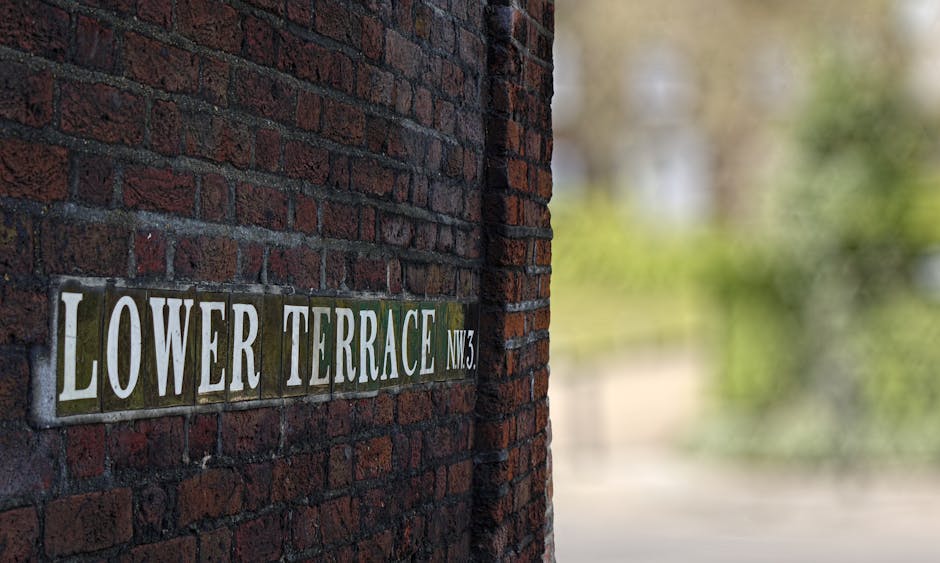
Avenue Road narrow street tips for removals in NW3

If you are planning a move on Avenue Road in NW3, you already know the problem: lovely homes, tight access, and very little room for a removal van to breathe. The good news is that Avenue Road narrow street tips for removals in NW3 are straightforward once you understand how to plan around kerb space, timings, loading access, and the practical limits of a narrow London street. Done well, the move feels calm and controlled. Done badly, it turns into a queue of parked cars, awkward lifting, and a lot of muttered apologies.
This guide walks you through the details that really matter: how narrow-street removals work, what to check before moving day, how to reduce disruption, what mistakes to avoid, and which service options make the most sense for different situations. It is written for real life, not theory. Because on a street like Avenue Road, the small things often decide whether the day runs smoothly or not.
Why Avenue Road narrow street tips for removals in NW3 Matters
Avenue Road sits in a part of London where the housing stock, street layout, and parking realities can make removals feel more complicated than a standard suburban move. That does not mean the job is difficult for the sake of it. It simply means access needs to be treated as part of the moving plan, not as an afterthought.
Narrow street removals matter because the van is only one piece of the puzzle. You also need enough space to load safely, room for two-way movement of boxes and furniture, and a sensible plan if the vehicle cannot park directly outside the property. On a busy morning, even ten extra metres can change everything.
In NW3, particularly around roads with limited passing width or parked cars on both sides, the difference between a smooth move and a stressful one often comes down to timing and preparation. If you have ever watched a sofa pause halfway through a doorway while everyone quietly reassesses the angle, you will know exactly what that means.
There is also a trust element here. A removal team that understands tight-access work will usually work more methodically, protect communal spaces better, and make fewer risky guesses. For many homeowners and tenants, that is worth more than trying to save a little by choosing the wrong vehicle size or rushing the booking.
How Avenue Road narrow street tips for removals in NW3 Works
The process is really about matching the move to the street, rather than forcing the street to fit the move. That starts with a realistic access check. Can a van pause safely close to the entrance? Is there enough clearance to open doors fully? Will furniture need to be carried a longer distance from a wider loading point? These are the questions that shape the plan.
For many properties, especially flats or period buildings, the move may be completed with a smaller vehicle, a man and van setup, or a larger van parked a little further away with a carry distance added in. The "best" option is not the biggest truck. It is the one that fits the street, the item list, and the timing constraints.
Good narrow-street removals also involve sequencing. Heavy items come out first or last depending on the access route. Fragile boxes are grouped together. The team may use dollies, blankets, straps, and extra hands to keep the flow steady. Nothing fancy. Just the kind of practical detail that saves time and damage.
If you are moving a full household, a home moves service can be adapted to a narrow street by using a tailored vehicle plan and a more careful loading order. For smaller flats, flat removals often make particular sense because they are built around tighter entrances, stairwells, and limited external space.
And if packing is still in progress, the job is easier when boxes are properly labelled and stacked by room. A little structure goes a long way. Honestly, it saves arguments too.
Key Benefits and Practical Advantages
When you plan a removal properly for a narrow NW3 street, you are not just avoiding problems. You are creating advantages that show up all day long.
- Faster loading and unloading: the team spends less time improvising and more time moving.
- Lower risk of damage: fewer awkward turns and fewer chances of knocking walls, banisters, or furniture edges.
- Less stress for neighbours: good planning reduces congestion and awkward double-parking situations.
- Better use of labour: if the access plan is clear, the crew can work in a steady rhythm.
- Smarter vehicle choice: the right van avoids unnecessary reloading and wasted trips.
- Cleaner turnaround: a move that respects the street usually leaves a better impression with building managers and residents.
There is also a financial upside. A well-planned move may reduce the need for extra waiting time, second runs, or last-minute vehicle changes. You are not necessarily paying less because the move is "easy"; you are paying less because the access issues were handled before they became problems.
For people downsizing, upsizing, or managing a more complex relocation, the benefits compound. A careful approach makes it easier to combine services such as packing and boxes, storage, or even a same day removals request when timing is tight.
Who This Is For and When It Makes Sense
This kind of planning helps almost anyone moving in NW3, but it is especially useful for a few groups.
First-time buyers and sellers often underestimate how much access affects the moving day. If you are already juggling completion timings, keys, and utility handovers, it helps to have one less thing go wrong.
Tenants moving out of flats need special care because stair access, shared entrances, and time pressure can make the day feel quite compressed. A narrow road outside only adds to that.
Families moving from larger homes may have more volume than expected. That means planning the van size properly and deciding whether a house removals service or a more flexible loading arrangement is the better fit.
Students and smaller movers often want speed and simplicity. A smaller vehicle or student removals service can be a great match when there are fewer items but access is still tricky.
Office relocations also benefit from narrow-street planning. Computer equipment, files, and office furniture are awkward enough without poor access. A dedicated office removals approach keeps the move organised and less disruptive to staff.
To be fair, if your move includes bulky specialist items, such as a piano or very large furniture, you may need more than a standard van and a couple of strong backs. That is where extra planning really pays off.
Step-by-Step Guidance
Here is a practical way to handle a narrow-street removal on Avenue Road without turning the day into a puzzle.
- Survey the access properly. Check the road width, parked cars, entry points, stairs, and any low branches, gates, or tight turns.
- Make a realistic inventory. List large furniture, fragile items, awkward shapes, and anything that needs dismantling.
- Choose the right moving format. A smaller removal van, a larger truck, or a mixed approach may all be possible depending on the street.
- Book a loading window that fits local conditions. Early mornings or quieter periods can be easier, though the best slot depends on the day.
- Pack by priority and room. Put the essentials and fragile items where they can be reached without digging through everything else.
- Reserve internal movement space. Keep hallways, doorways, and stair landings as clear as possible.
- Protect surfaces. Use blankets, floor covers, and corner protection where needed.
- Plan the carry route. If the van cannot park right outside, decide in advance who carries what and where items will be staged.
- Confirm arrival details. A quick text or call before the crew arrives can stop confusion at the kerb.
- Leave a buffer. Small delays happen. A few spare minutes is better than a hard stop.
If the move is sensitive, awkward, or high-value, it is sensible to work with an established removal services provider rather than trying to piece everything together yourself. Sometimes the calm option is the clever one.
Expert Tips for Better Results
These are the details that make narrow-street removals noticeably easier.
1. Measure the awkward items, not just the rooms. Sofas, wardrobes, and mattresses are the usual troublemakers. Measure height, width, and turning space. A tape measure is boring, yes, but it is very persuasive.
2. Think about the angle, not just the size. Many items fit through a doorway only after a twist or tilt. That extra manoeuvre needs space, so check both the entrance and the landing area.
3. Use the street like a working space. If the van must stop a little away from the property, agree where boxes will be staged so nobody ends up carrying things twice.
4. Pack the first-out items last. This is one of those little things that feels obvious after the fact. Put keys, documents, kettle, chargers, and a bag of essentials somewhere easy to reach.
5. Keep neighbours in mind. A polite note or a quick heads-up can help, especially if access may briefly affect shared entrances or kerb space.
6. Don't overfill boxes. Tight streets already create enough strain. Overpacked boxes make carrying slower and much more tiring.
7. Consider specialist handling for heavy items. If you are moving a piano, for example, use a service designed for it rather than hoping four people and good intentions will do the job. They rarely do, truth be told.
For delicate, oversized, or particularly awkward furniture, furniture removals can be more appropriate than a basic transport-only booking. And if you are clearing out items rather than relocating them, furniture pick up may be the simpler route.
Common Mistakes to Avoid
Most moving problems on narrow roads are predictable. That is the frustrating part, but also the helpful part, because predictable problems can be prevented.
- Booking the wrong vehicle size. Too large can block the road; too small can mean multiple trips.
- Assuming kerbside parking will be available. On a narrow street, even a short stop can be difficult.
- Leaving packing too late. Rushed packing often creates fragile loads and unstable boxes.
- Forgetting to clear hallways and entrances. A cluttered route slows everything down.
- Not checking building rules. Some blocks and estates have specific access expectations, time windows, or lift-use arrangements.
- Ignoring specialist items. Pianos, antiques, and oversized wardrobes need extra care and sometimes extra equipment.
- Leaving the team without a contact point. A missing phone number can become a surprisingly annoying problem at 8:00 in the morning.
One especially common issue is underestimating how long it takes to carry items from a safer parking point. It sounds minor. It never feels minor while you are halfway through the third load. So yes, build in the buffer.
Tools, Resources and Recommendations
You do not need a huge toolkit, but the right basics make narrow-street moving much easier.
- Tape measure: for doors, stairs, sofas, beds, and tight corners.
- Room labels or marker pens: so boxes are easy to sort quickly.
- Furniture blankets and covers: to protect edges and painted surfaces.
- Straps and trolleys: helpful for moving heavier items safely.
- Bubble wrap and paper: for fragile items and awkward gaps inside boxes.
- Floor protection: especially useful in shared hallways or polished entrances.
If you want help with the prep itself, packing and unpacking services can reduce the burden quite a lot. That is often a relief if you are working, looking after children, or simply fed up with cardboard by day two.
For business moves, commercial moves and office relocation services may be the better fit, especially where equipment, desks, and schedules need closer coordination.
If timing is tight and you need a flexible, practical option, compare man with van, man with a van, and a fuller team setup. The best choice depends on item volume, access, and how much heavy lifting is involved.
Law, Compliance, Standards, or Best Practice
For most household moves, the key is not a complicated legal issue but responsible practice. Still, narrow-street removals should respect road safety, neighbour access, property rules, and the general duty to avoid causing unnecessary obstruction or damage.
In practical terms, that means keeping loading sensible, avoiding blocked entrances, using safe lifting methods, and making sure the team is insured and clear about handling responsibilities. If you are comparing providers, ask how they manage access risk, what happens if parking is unavailable, and how items are protected during carry routes.
It also helps to check the company's policy pages when you want reassurance about working standards. For example, insurance and safety should tell you how the operator thinks about protection and risk, while health and safety policy and terms and conditions are useful for understanding expectations before the move.
If you care about reducing waste during the move, a recycling and sustainability approach can also be worth considering. Old furniture, boxes, and unwanted items often need a clear plan rather than a last-minute pile-up in the hallway.
Options, Methods, or Comparison Table
Not every move on Avenue Road needs the same approach. Here is a simple comparison that may help you decide.
| Option | Best for | Strengths | Trade-offs |
|---|---|---|---|
| Man and van | Smaller loads, quick turns, limited access | Flexible, usually easier to position, good for light to medium moves | Less ideal for full-house volumes or very heavy furniture |
| Full removal van or truck | Larger household moves, more furniture, more boxes | Fewer trips, better for big inventory | Can be harder to accommodate on a narrow road |
| Storage-led move | Gap between dates, downsizing, staged relocation | Reduces pressure on the move day | Requires extra planning and possibly extra handling |
| Specialist handling | Pianos, antiques, fragile or oversized items | Lower risk for valuable pieces | Needs advance notice and possibly extra cost |
For many NW3 moves, the most efficient solution is not the same as the biggest solution. A sensible, access-aware setup usually wins. That is the bit people sometimes overlook while chasing a simple quote.
Case Study or Real-World Example
Imagine a two-bedroom flat move from a property on Avenue Road to another London address not far away. The residents have a sofa, dining table, bed frames, eight to ten packed boxes, and a couple of awkward lamps. The road is narrow, and a neighbour has already parked close to the entrance. Not a disaster, but not ideal either.
Instead of trying to force a large vehicle directly to the door, the move is planned with a smaller loading setup and an agreed carry route from a wider stopping point. The boxes are grouped by room. The heavier furniture is dismantled in advance where possible. Fragile items are separated and labelled clearly. By the time the crew arrives, nobody is trying to make decisions on the pavement while holding a mattress upright.
The result is calmer, faster, and less disruptive to the street. The team knows what to lift first, the residents know what will happen next, and there is far less back-and-forth. Simple, really. But that simplicity comes from planning.
A similar approach works well for tenants in a student removals scenario too, where smaller inventories and tight timings often matter more than brute strength or oversized transport.
Practical Checklist
Use this before moving day. It is short, but it covers the things that usually catch people out.
- Measure key furniture and doorways.
- Confirm the best stopping point for the van.
- Check for parking restrictions or building access rules.
- Pack essentials separately and keep them easy to reach.
- Label boxes by room and priority.
- Clear hallways, stairs, and entrances.
- Protect floors, walls, and furniture edges.
- Plan for items that may need dismantling.
- Tell the moving team about stairs, lifts, or unusually tight access.
- Set aside time for unexpected delays. Because they do happen.
Quick expert summary: the safest Avenue Road move is the one that fits the street, the property, and the item list without forcing any of them. If that sounds obvious, good. It should. The challenge is remembering it while everything else is moving at once.
Conclusion
A narrow street in NW3 does not have to make your removal day stressful. With the right plan, the right vehicle, clear packing, and a realistic view of access, Avenue Road removals can run smoothly even when kerb space is limited. The real trick is treating access as part of the move from the very beginning, not something to sort out on arrival.
If you are moving a flat, a family home, an office, or a single bulky item, a calm and methodical approach will almost always pay off. It keeps the crew working efficiently, protects your belongings, and reduces disruption for everyone else on the street. And that matters more than people think.
Get a free quote today and see how much you can save.
When the boxes are finally stacked and the last door closes behind you, you will be glad the day was planned with care. That little bit of extra thought makes a big difference.
Frequently Asked Questions
What is the best vehicle for removals on a narrow road like Avenue Road?
The best vehicle depends on load size and access. For smaller moves, a van or man-and-van setup can be easier to position. For larger moves, you may need a bigger vehicle but with a careful parking plan. The key is fit, not just capacity.
How far in advance should I plan a narrow-street removal in NW3?
Ideally, as soon as you know your moving date. Narrow streets need more planning than standard moves because parking, loading, and carry routes can affect the whole schedule. The earlier you check access, the fewer surprises you get later.
Can a removal van park right outside the property?
Sometimes yes, sometimes no. On a narrow London street, kerbside space may be limited by parked vehicles, traffic flow, or property layout. It is wise to plan for the van to stop a little further away, just in case.
Do I need to measure my furniture before booking?
Yes, especially larger items like sofas, beds, wardrobes, and tables. Doorways and stair bends can be the real limiting factor, not the room itself. A few measurements can prevent a lot of awkward shuffling on the day.
What should I do if parking is limited on moving day?
Tell the moving team in advance and agree a backup plan. They may use a smaller vehicle, stage items from a safer stopping point, or adjust the loading sequence. It is much easier to solve before arrival than after.
Is a man and van service enough for a move on Avenue Road?
It can be, especially for smaller loads or shorter moves. A man and van service is often more flexible on narrow streets. For bigger or more complex moves, a larger team may still be the better choice.
How can I protect my walls and floors in a narrow staircase or hallway?
Use floor coverings, corner protection, and furniture blankets where needed. Also, clear the route fully before lifting begins. In tight spaces, one careless turn can cause unnecessary scuffs, so preparation really does help.
What if I need to store items during the move?
Storage is useful if your move-out and move-in dates do not line up, or if you are downsizing. It can also reduce pressure on a narrow-street move by breaking the job into stages. That tends to make the whole day feel less frantic.
Are specialist items like pianos harder to move in NW3?
Yes, they usually need more planning because they are heavy, fragile, and awkward in tight spaces. Specialist handling is the safer route. A piano is not the place to get inventive with angles and optimism.
What should I ask a removals company before booking?
Ask how they handle narrow access, what size vehicle they recommend, whether they are insured, and how they deal with parking uncertainty. You can also review their insurance and safety information and pricing and quotes details to understand expectations more clearly.
How do I make a narrow-street move less stressful on the day?
Keep your essentials separate, label your boxes, clear the route, and give the moving team a clear point of contact. A calm start usually leads to a calmer finish. That sounds simple, but it works.
Is it worth using packing services for a tight-access move?
Yes, especially if you are short on time or dealing with lots of breakables. Packing and unpacking services can reduce pressure and help the load stay organised, which is particularly useful when the street itself is already a challenge.